

Quick answer
Grand Canyon tour company reviews reveal that the strongest operators maintain multi-year safety records with the Federal Aviation Administration or National Park Service, employ guides certified in wilderness first response, and limit group sizes to fifteen or fewer participants. Companies operating helicopter tours must renew FAA Part 135 certification annually, while river outfitters require NPS-issued concession contracts that mandate specific guide-to-guest ratios and equipment inspections. The park's official concessionaire list, updated quarterly, identifies which operators hold active permits.
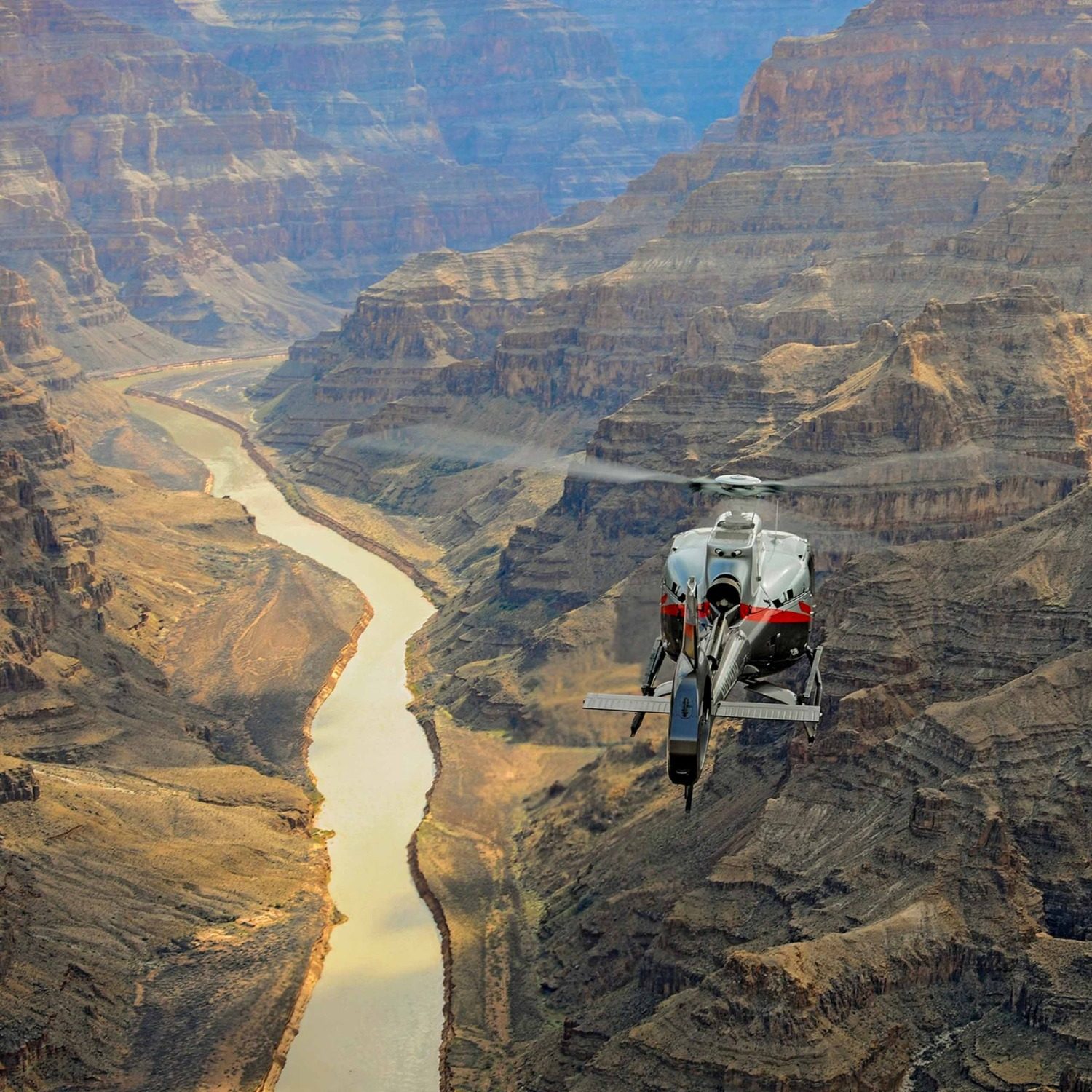
More than forty licensed companies operate tours within Grand Canyon National Park boundaries, yet fewer than a dozen hold the permits required for below-rim access. The National Park Service awards river concession contracts through a competitive review process that evaluates safety history, environmental compliance, and guide qualifications. Helicopter operators face separate FAA oversight, with accident rates and maintenance records available through federal databases. Reading grand canyon tour company reviews helps surface patterns in punctuality, equipment condition, and whether guides deliver the natural history depth advertised in marketing materials. The distinction between park-permitted operators and those running tours from adjacent gateway towns matters. Companies based in Tusayan, Williams, or Las Vegas often subcontract actual in-park segments to permitted concessionaires, adding a coordination layer that can affect departure reliability. Direct-permit holders like Xanterra's mule rides or OARS river trips answer to park superintendent oversight, which mandates staff training standards and incident reporting that edge-of-park operators avoid. Verify a company's permit status on the NPS website rather than relying on third-party booking platforms that may list expired contracts. Raft trip operators separate into motorized and oar-powered categories, each appealing to different visitor priorities. Motor rigs complete the 226-mile corridor in six to eight days, while oar expeditions stretch across two weeks and emphasize quiet observation over distance coverage. Both require guides trained in swiftwater rescue, but staffing ratios differ—motorized trips often carry eighteen guests per guide, while oar boats limit groups to four per rowing guide. Weather delays and permit availability compress availability windows, making operator flexibility and rescheduling policies as critical as raft quality. Helicopter tour reviews often cite the difference between thirty-minute air-only loops and tours that include canyon-floor landings. Landing permits, limited to the Hualapai Reservation west of the park, require separate tribal agreements that only a handful of Las Vegas-based operators hold. South Rim helicopter flights restricted to park airspace follow FAA-dictated flight paths that prevent descent below the rim, a constraint visitors expecting floor-level photography discover only mid-flight. Cross-reference operator claims against current park aviation rules before booking any aerial tour.
“The National Park Service awards river concession contracts through a competitive review process that evaluates safety history, environmental compliance, and guide qualifications.”
Optimal Timing for Grand Canyon Tour Company Reviews
The best arrival window is 00:00–10:00, which avoids peak crowds and minimizes wait times at entrance stations. Selecting a tour company that prioritizes this timeframe significantly improves the quality of your experience by keeping your group ahead of congestion.
Spring (March–May)
Moderate; increasing mid-seasonMild, 50°F to 75°F range
Frequent departures align well with early arrival goals. Planning ahead helps secure these high-demand morning slots.
Summer (June–August)
Heavy; peak tourist seasonHot, often exceeding 90°F
Early morning arrival is vital to escape heat and heavy traffic. Look for operators capable of navigating high-volume logistics.
Autumn (September–November)
Moderate; lower than summerCool, 40°F to 70°F range
Crowds thin out, allowing for more flexible tour pacing. Morning arrival remains the most efficient strategy for visiting sites.
Weekday mornings
Low; quietest daily periods—
Mid-week morning tours offer the most space and lower wait times at key viewpoints. This is the optimal time to evaluate tour operator efficiency.
Verdict: The concrete best slot is Tuesday to Thursday, arriving within the 00:00–10:00 window during the months of April or October.
Common Mistakes to Avoid When Reading Grand Canyon Tour Company Reviews
Many visitors focus only on aggregate star ratings without examining the context behind individual reviews. This approach misses critical details about weather conditions, seasonal access limitations, and operator-specific policies that significantly affect tour experiences.
Trusting five-star ratings without checking review dates
Read recent reviews from the past 3–6 months, as river access, road conditions, and operator policies change seasonally. A summer review may not reflect winter limitations.
Ignoring one-star reviews that mention weather cancellations
Weather-related cancellations are standard safety protocol at Grand Canyon. Focus instead on how the operator handled rebooking or refunds, which reveals their actual service quality.
Comparing operators without noting tour type differences
Helicopter, rafting, and bus tours serve different needs and access different park areas. A low rating for a bus tour may reflect the reviewer's expectation mismatch, not operator quality.
Skipping reviews that discuss mobility or fitness requirements
Tour difficulty varies significantly between rim walks and canyon descents. Reviews mentioning physical demands help you choose an operator whose tour matches your capability.
Overlooking mentions of permit or reservation lead times
Popular tours book weeks in advance, especially April through October. Reviews noting 'sold out' or 'couldn't get in' signal you need to reserve early, not that the operator is problematic.
Checklist for Using Grand Canyon Tour Company Reviews to Book
Preparation ensures you book a licensed operator and arrive ready for departure requirements.
-
Verify operator holds NPS commercial use authorization
-
Only licensed operators can legally conduct tours within Grand Canyon National Park boundaries.
-
Cross-reference departure points against multiple review sources
-
Conflicting location details in reviews may indicate outdated information or unlicensed operators.
-
Confirm cancellation policy matches reviewer claims
-
Discrepancies between stated terms and customer experiences signal potential booking risks.
-
Check recent reviews for permit compliance mentions
-
Operators without proper permits face sudden trip cancellations that strand booked guests.
-
Screenshot booking confirmation and terms
-
Documentation protects you if the operator's actual service differs from reviewed promises.
-
Save official NPS contact details separately
-
Direct verification with park authorities clarifies any licensing or permit questions reviews raise.
Check availability
Frequently Asked Questions About Grand Canyon Tour Company Reviews
Everything you need to know about grand canyon tour company reviews