

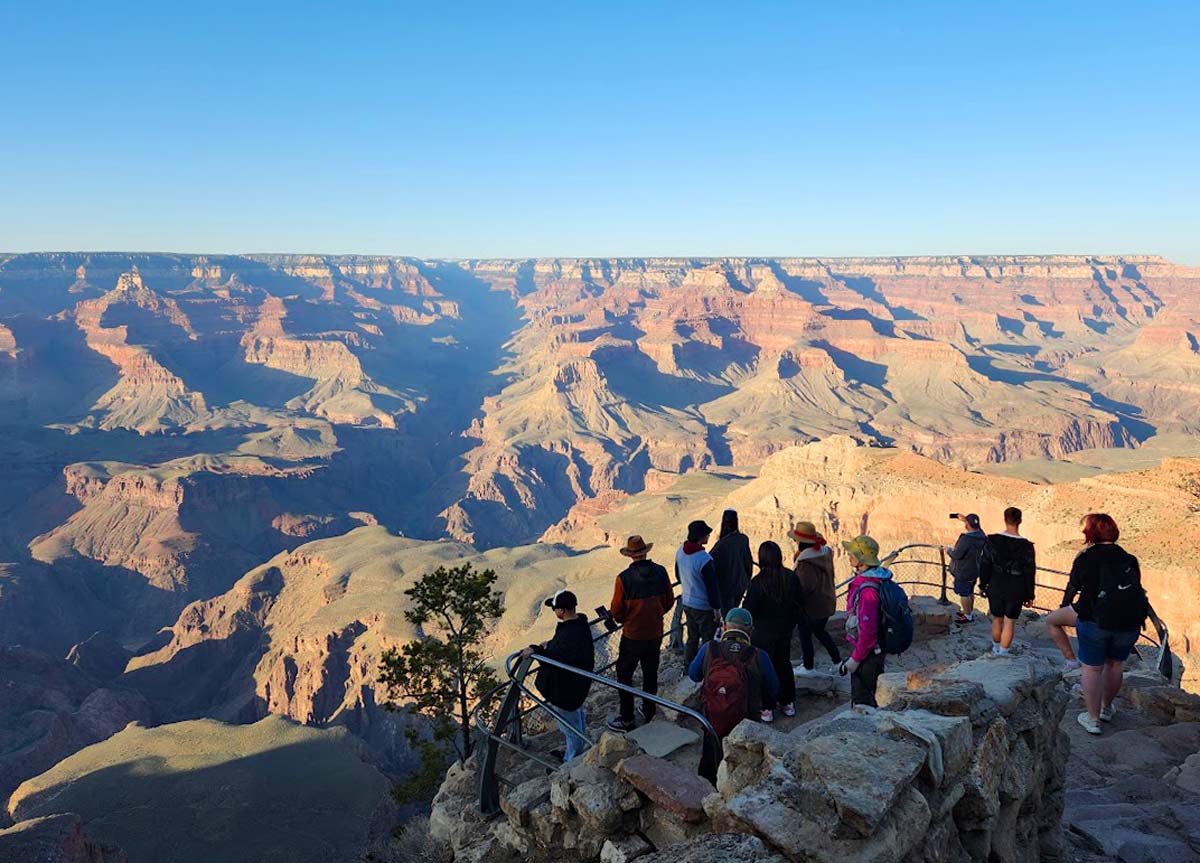
Quick answer
Yes, you can tour the Grand Canyon on your own without joining an organized group or hiring a guide. The South Rim offers paved rim trails, shuttle access to major viewpoints, ranger talks, and visitor centers designed for independent exploration year-round. Backcountry hiking requires advance permits for overnight trips, but daytime trail access below the rim remains open to all visitors with standard park entry.
The National Park Service maintains the Grand Canyon specifically for independent access, with infrastructure built to support self-directed exploration rather than requiring guide services. More than five million visitors each year navigate the park without commercial operators, using the free shuttle system along the South Rim, marked trailheads with posted maps, and ranger-staffed information desks at multiple visitor centers. Exploring the canyon independently means choosing your own route among thirteen named viewpoints on the South Rim, each connected by the paved Rim Trail that runs eleven miles from South Kaibab Trailhead to Hermits Rest. The park shuttle operates four color-coded routes serving trailheads, lodges, and overlooks, eliminating the need for a vehicle once inside the park boundaries. Bright Angel Trail and South Kaibab Trail descend below the rim without permit requirements for day hikes, though the park strongly recommends turning back at designated rest houses rather than attempting the strenuous climb from the Colorado River in a single day. Self-guided touring extends beyond viewpoint photography to ranger-led programs offered multiple times daily at Mather Point, Yavapai Geology Museum, and the Verkamp's Visitor Center plaza. These free talks cover canyon formation, indigenous history, and wildlife ecology without advance registration. The park publishes a seasonal newspaper listing talk schedules, trail conditions, and road closures, available at entrance stations and online through the official site. Independent visitors gain flexibility to adjust plans based on weather, physical comfort, or emerging interests rather than adhering to fixed tour departure times. Backcountry permits govern overnight camping below the rim but do not restrict daytime trail use or access to developed rim areas. The permit system protects fragile desert ecosystems and ensures adequate spacing at designated campsites along multi-day routes like the Bright Angel to North Kaibab corridor. Day hikers descending partway into the canyon return the same day without paperwork, provided they carry sufficient water and start early enough to complete the ascent before afternoon heat peaks.
“More than five million visitors each year navigate the park without commercial operators, using free shuttles, marked trails, and ranger resources designed for independent access.”
How You Can Tour the Grand Canyon on Your Own
Touring the Grand Canyon independently requires understanding park entry procedures, navigation systems, and trail access points. The full self-guided experience takes 4–6 hours from arrival through exploration and return.
Enter through the South Entrance gate
Present your entrance pass or payment at the gate booth on South Entrance Road. Many visitors mistakenly queue at the wrong checkpoint—follow signs for the main South Entrance, not Desert View.
Park at the Visitor Center lot
Drive directly to the main Visitor Center complex and claim a spot in the paved lot. Parking fills rapidly after 10:00, forcing overflow use of remote shuttle lots.
Collect a trail map inside
Walk into the Visitor Center building and pick up the current trail map and park newspaper from the information desk. Self-guided visitors often skip this step and miss trail closures or seasonal warnings.
Board the free shuttle or walk
Use the color-coded shuttle system to reach overlooks and trailheads along the South Rim, or walk the Rim Trail directly from the Visitor Center. The shuttle operates on three routes; most first-timers board the wrong color line.
Descend a maintained trail section
Choose Bright Angel or South Kaibab for a short descent—walk only as far as you can comfortably return uphill. The most common error is underestimating ascent time, which takes twice as long as the descent.
Return before park closure
Exit the trail network and drive out through the South Entrance gate before your energy depletes. Independent visitors frequently misjudge sunset timing and navigate unpaved paths in darkness.
Directions for When You Tour the Grand Canyon on Your Own
The Grand Canyon is located in northern Arizona, with the primary South Rim access point situated at 20 South Entrance Road. Most visitors reach the park by private vehicle via Arizona State Route 64.
AZ-64 to 20 South Entrance Road
Groome Transportation to Grand Canyon Village
NPS shuttle transit within the park
Best Arrival Times to Tour the Grand Canyon on Your Own
To tour the Grand Canyon on your own, the best arrival window is 06:00–10:00. Arriving during this period helps you avoid peak midday congestion and ensures parking availability.
March to May
Moderate to heavyMild temperatures, 50°F to 75°F
Spring provides clear visibility and comfortable conditions for independent exploration before the summer heat arrives.
June to August
Very heavyHot temperatures, 80°F to 100°F
Expect large crowds and high heat, necessitating early starts to remain comfortable while hiking or touring.
September to November
ModerateCooler temperatures, 40°F to 70°F
Fall offers stable weather patterns and reduced visitation, making it a favorable time for self-guided trips.
Weekday mornings
Low to moderate—
Visiting on a weekday morning is the most effective way to secure parking and bypass the heaviest visitor traffic.
Verdict: For the most manageable experience, aim for Tuesday to Thursday arrivals between 06:00 and 10:00 during the months of April or October.
Entrance Fees When You Tour the Grand Canyon on Your Own
Entrance fees for touring the Grand Canyon independently are based on official park admission policies. Costs include the base park fee and specific visitor surcharges.
A typical adult visitor pays 120 USD, which accounts for the standard entrance fee plus the mandatory foreign visitor surcharge.
Operational Hours for Those Who Tour the Grand Canyon on Your Own
The Grand Canyon remains open to the public daily, providing round-the-clock access for those planning to tour the park independently. Visitors may enter the park at any time throughout the week.
| Monday | 00:00–23:59 | Open 24 hours |
|---|---|---|
| Tuesday | 00:00–23:59 | Open 24 hours |
| Wednesday | 00:00–23:59 | Open 24 hours |
| Thursday | 00:00–23:59 | Open 24 hours |
| Friday | 00:00–23:59 | Open 24 hours |
| Saturday | 00:00–23:59 | Open 24 hours |
| Sunday | 00:00–23:59 | Open 24 hours |
Rules for Safely Touring the Grand Canyon on Your Own
Self-guided visitors share responsibility for their own safety and for protecting the park's fragile desert ecosystem. Following National Park Service protocols keeps trails accessible and the canyon pristine for future generations.
Do
- Stay on marked trails and behind rim railings at all times
- Carry at least one gallon of water per person for canyon hikes
- Pack out all trash, including fruit peels and biodegradable items
- Yield to uphill hikers on narrow canyon trails
- Store food in vehicles to prevent wildlife habituation
- Report emergencies by calling 911 or using emergency phones at trailheads
Don't
- Don't approach or feed wildlife, including squirrels and elk
- Don't throw anything into the canyon, including coins or rocks
- Don't hike alone below the rim without telling someone your route
- Don't collect rocks, plants, or any natural features
- Don't use drones within park boundaries—they're prohibited by federal law
- Don't underestimate descent time; allow twice as long for the return climb
Key Locations to See When You Tour the Grand Canyon on Your Own
Independent travelers can access a variety of geological landmarks and vistas along the South Rim. These locations provide diverse perspectives of the canyon floor and rock formations.
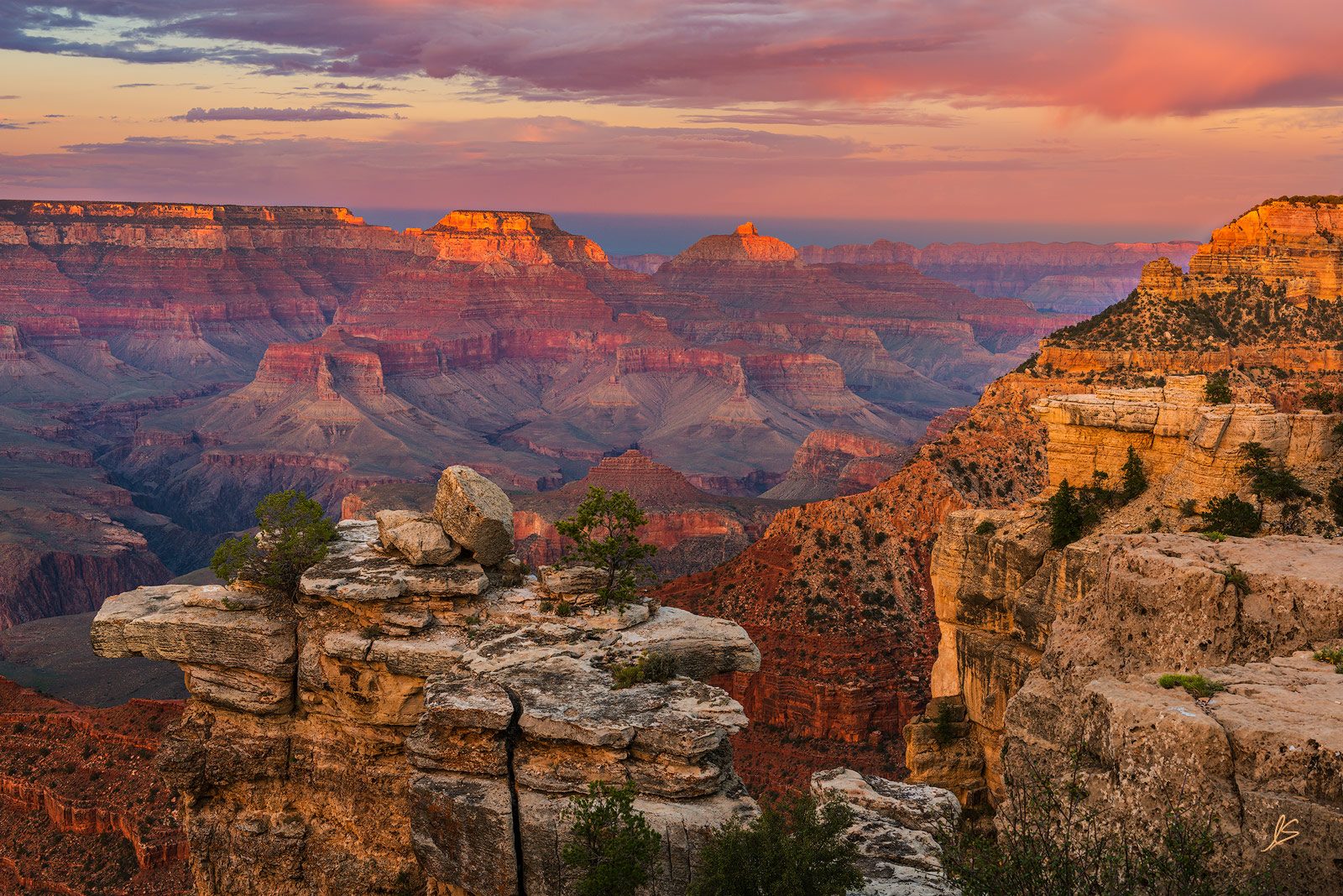
Mather Point
This primary viewpoint offers an expansive perspective of the inner canyon and is located near the main visitor center. It is often the first stop for those entering the park.
Arrive before 10:00 to avoid crowds at this popular overlook.
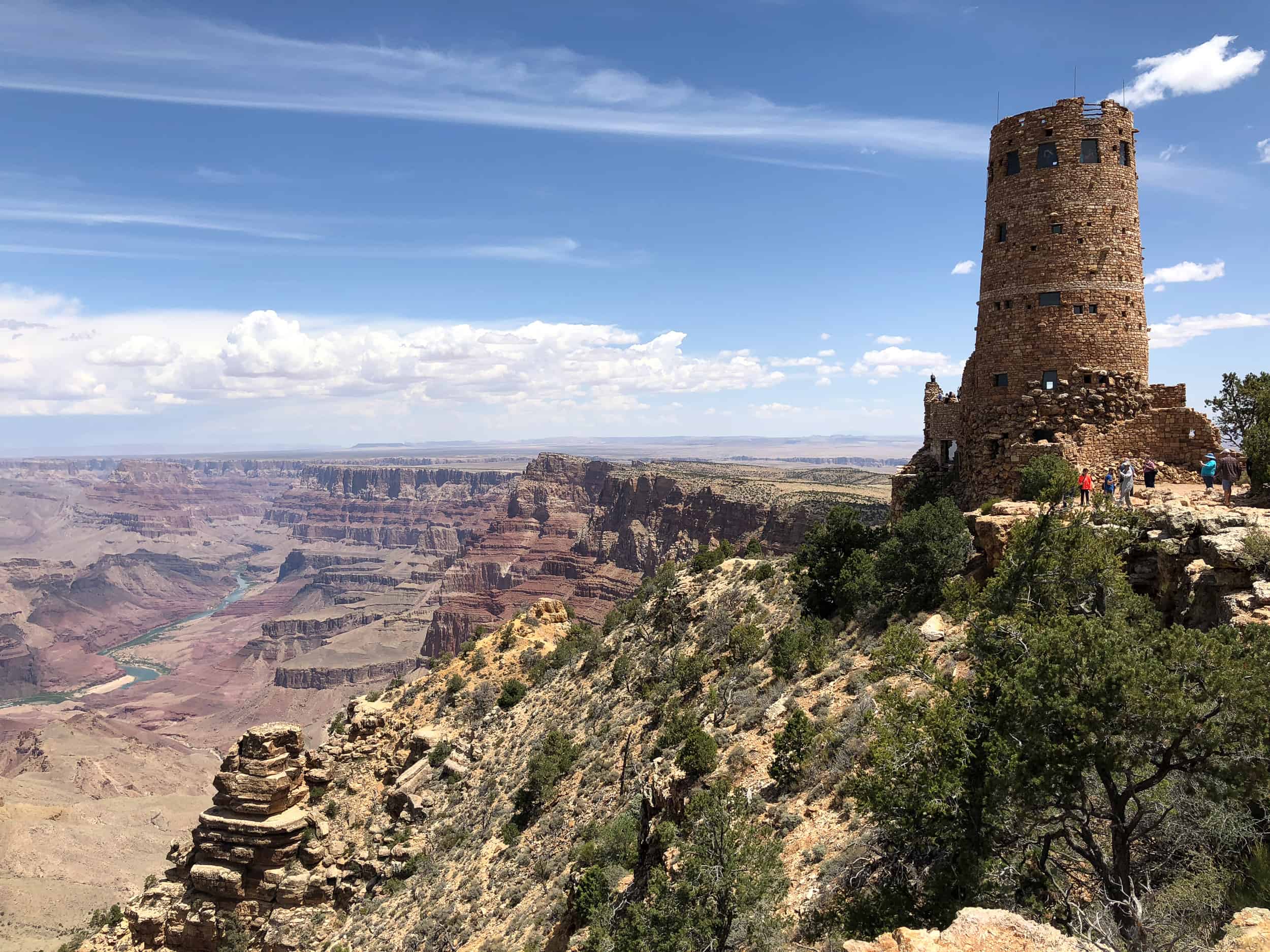
Desert View Watchtower
Designed by Mary Colter, this historic stone structure provides a panoramic view of the Colorado River and the eastern canyon. It stands as a notable example of park architecture.
Climb the interior stairs for elevated views of the river.
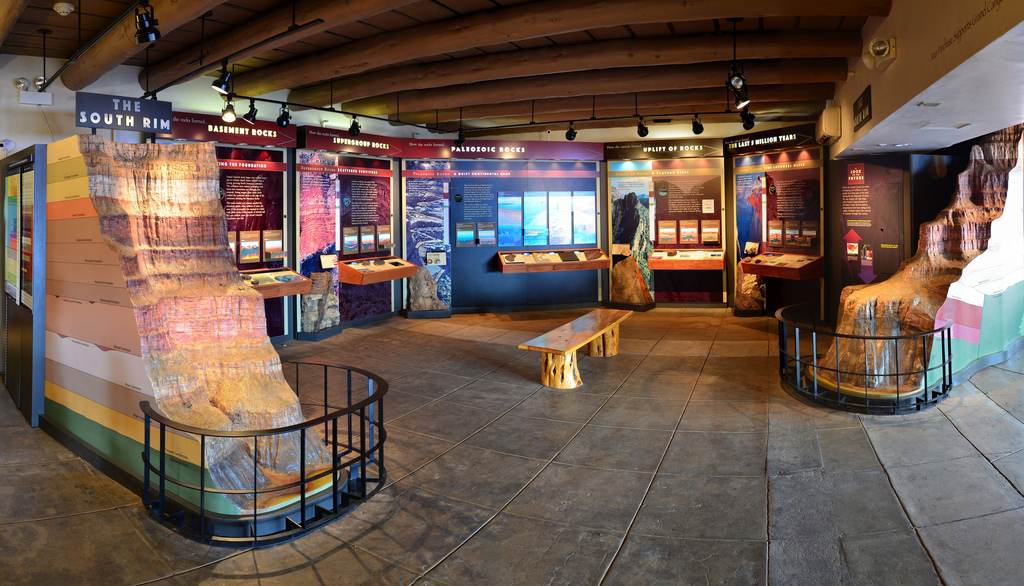
Yavapai Geology Museum
This facility features large glass windows overlooking the canyon and displays explaining the geological history of the area. It serves as a centralized point for understanding the landscape.
Visit during mid-day to study the canyon formation maps.
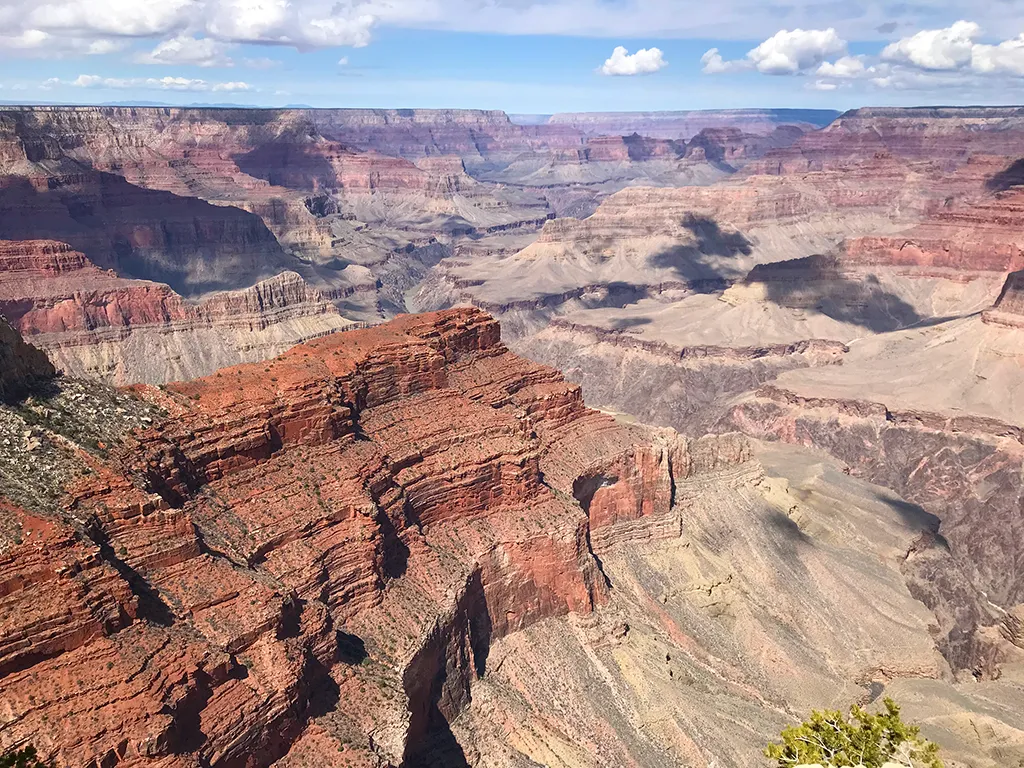
Hopi Point
Known for its wide-angle views, this location is a frequent stop on the park shuttle route along Hermit Road. It is recognized for its visibility of the Colorado River.
Position yourself early for consistent light across the walls.
Check availability
Frequently asked questions about touring the Grand Canyon
Everything you need to know about can you tour the grand canyon on your own